
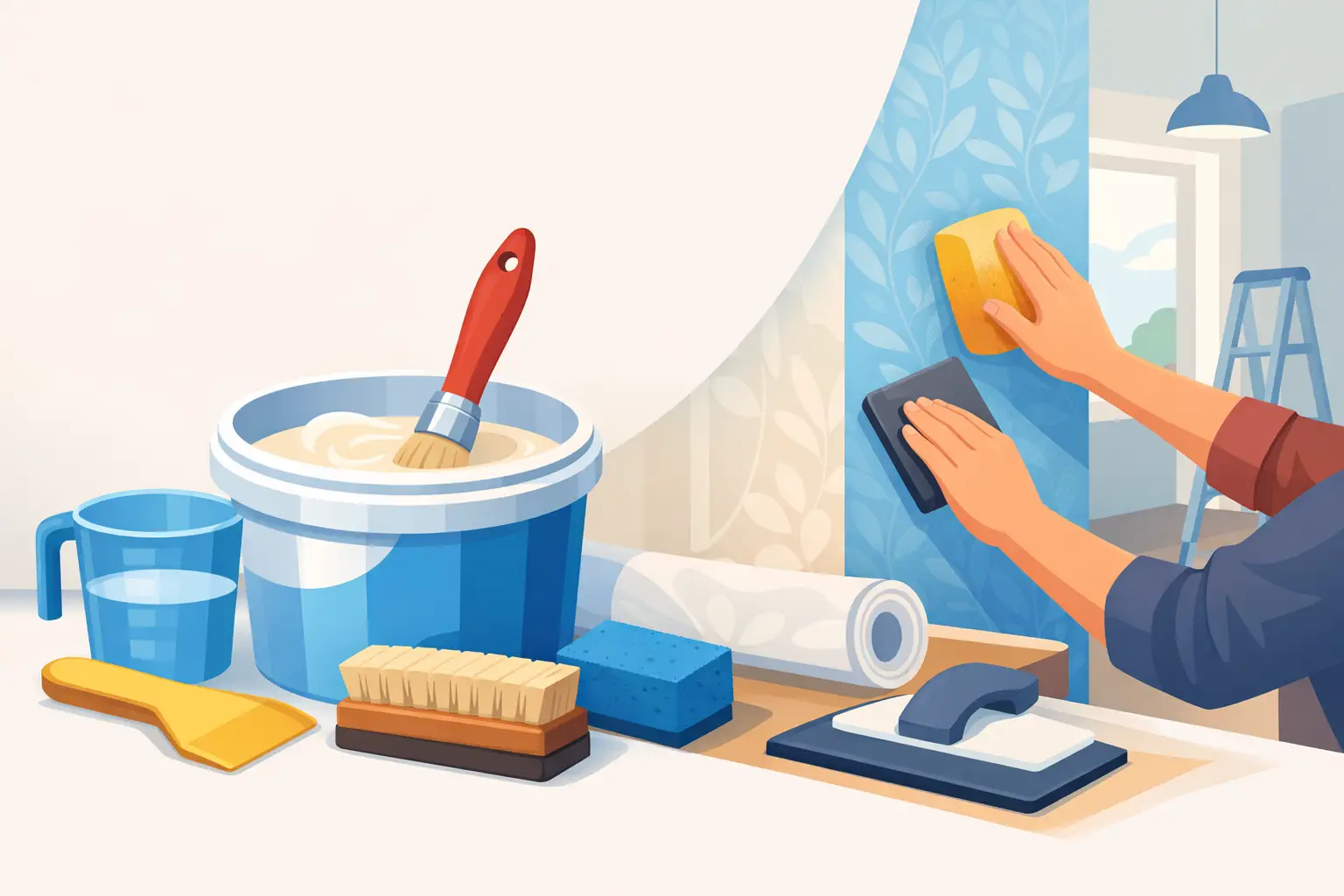
Bartoline Wallpaper Adhesive for Reliable Results

A wallpaper installation can look excellent on day one and still fail weeks later if the adhesive does not suit the wallcovering, wall surface, or room conditions. Bartoline wallpaper adhesive is a practical choice for installers, contractors, designers, and homeowners who need dependable bonding for vinyl and fabric wallcoverings without unnecessary complication.
For projects in apartments, villas, hotels, offices, retail spaces, and hospitality interiors, the right paste helps achieve clean joins, stable edges, and a professional finish. The wrong product can lead to lifted seams, bubbling, staining, or difficult repositioning during installation. Choosing the correct Bartoline grade at the start saves time, material, and avoidable repair work.
Why Bartoline Adhesive Matters for Wallpaper Projects
Wallpaper adhesive is not a minor accessory. It is part of the installation system. The wallpaper, the wall preparation, site conditions, and the application method all affect the final result. A decorative vinyl wallcovering in a hotel corridor, for example, faces very different demands from a lightweight paper wallcovering in a low-traffic bedroom.
Bartoline adhesives are commonly selected for wallcovering work because they are made for practical application and reliable grip. They support a controlled installation process, giving installers time to position drops accurately while helping the wallcovering bond securely once set.
That balance matters on patterned wallpaper, textured vinyl, and fabric-backed materials. If the paste grabs too quickly, matching patterns and adjusting seams becomes harder. If it has insufficient strength, the edges may begin to lift, particularly around corners, doors, air-conditioning outlets, and high-use areas.
For commercial fit-out work, adhesive selection also affects project schedules. Using a product suited to the wallcovering reduces the risk of rework after handover. For homeowners, it offers confidence that an investment in wallpaper will remain neat rather than becoming a recurring maintenance issue.
Bartoline Professional and Heavy Grade Options
Bartoline wallcovering adhesive is available in Professional and Heavy Grade options. Both are intended to support quality wallpaper installation, but the better choice depends on the weight and backing of the wallcovering, as well as the installation environment.
Professional Grade for General Wallcovering Installation
Professional Grade is a suitable option for many standard wallpaper and wallcovering applications, including vinyl and fabric finishes where the material and surface conditions fall within the product guidance. It is often the sensible choice for residential rooms, offices, guest rooms, and decorative feature walls.
The goal is not simply to use the strongest adhesive available. A standard wallcovering installed with an unnecessarily heavy adhesive can become harder to handle, create excess paste at seams, or make future removal more difficult. Professional Grade is a practical starting point when the wallpaper is not especially heavy and the wall has been properly prepared.
Before proceeding, check the wallcovering manufacturer's instructions. Some materials specify adhesive type, paste-to-wall or paste-to-paper methods, soaking time, and recommended coverage. These instructions should take priority, especially for imported, specialty, or designer wallcoverings.
Heavy Grade for Demanding Materials and Areas
Heavy Grade is designed for more demanding applications where greater adhesive strength is needed. This can include heavier vinyl wallcoverings, thicker fabric-backed materials, deeply textured finishes, and installations where the wallcovering needs stronger initial hold.
It can be a better fit for commercial settings such as hotel public areas, restaurants, reception spaces, meeting rooms, and high-traffic corridors. These spaces often use durable wallcoverings to handle regular contact and cleaning. The wallcovering may be heavier, and installation standards need to account for long-term performance.
Heavy Grade does not remove the need for surface preparation. Even a strong adhesive cannot compensate for dusty plaster, loose paint, moisture damage, or an uneven wall. If the substrate is weak, the adhesive may bond to the failing surface rather than the wall itself.
How to Choose the Right Bartoline Adhesive
Start with the wallcovering, not the room color or pattern. Identify whether the material is lightweight paper, standard vinyl, fabric-backed vinyl, textile, or another specialist finish. Weight, backing type, texture, and manufacturer instructions determine the adhesive requirement.
Then assess the wall. New drywall, painted plaster, concrete, and previously wallpapered surfaces each need different preparation. Walls must be smooth, clean, dry, and sound. Old paste residue, flaking paint, mold, grease, and surface dust should be removed before installation. Porous surfaces may require priming or sizing so the adhesive does not dry too quickly into the wall.
Room use should also guide the decision. A decorative wall in a private bedroom usually has lower demands than a hotel lobby or an office reception area. High-traffic interiors may require a heavier wallcovering and a more suitable adhesive grade to keep seams secure over time.
If a project involves premium fabric wallpaper, wide-width commercial vinyl, or an unfamiliar material, test a small section first. A trial installation can reveal whether the adhesive offers enough grab, whether the surface absorbs too quickly, and whether any paste marks need special cleaning procedures.
Surface Preparation Makes the Difference
Many wallpaper complaints begin before the first roll is opened. Wallpaper magnifies wall imperfections, particularly with smooth vinyl, metallic finishes, or directional patterns. A wall that appears acceptable under paint may show every patch, ridge, and uneven area under wallcovering.
Repair cracks and holes, sand raised areas, and remove loose coatings. Once repairs are complete, make sure the wall is fully dry. Moisture behind wallpaper can affect adhesion and may create staining or mold issues later.
For newly painted walls, allow paint to cure according to the paint manufacturer's guidance. Fresh paint can interfere with bonding if it has not cured properly. For walls with a high-sheen finish, light abrasion and suitable preparation may be needed to improve adhesion.
Professional installers also plan the layout before applying adhesive. They establish a straight starting line, consider where the final seam will fall, and check pattern repeat so cuts are efficient. This is especially valuable when working with expensive wallpaper or custom wallcoverings where wastage is costly.
Application Practices for a Cleaner Finish
Follow the directions on the Bartoline container and the wallcovering manufacturer's instructions for mixing, application, and coverage. Apply adhesive evenly rather than in thick patches. Uneven application can cause dry spots, weak edges, or lumps that show through the finish.
Keep paste off the decorative face of the wallpaper wherever possible. If adhesive reaches the surface, clean it promptly using the cleaning method recommended for that material. Some textured, fabric, and specialty finishes can mark easily, so excessive water or aggressive rubbing may cause more damage than the adhesive itself.
Work one drop at a time and align seams carefully. Avoid stretching the wallpaper, particularly when it is wet with adhesive. Stretching may look acceptable during installation but can cause gaps as the material dries and relaxes.
Use the correct smoothing tool for the wallcovering. A soft brush may suit delicate or textured surfaces, while a suitable plastic smoother can help with durable vinyl. The objective is to remove air pockets without crushing texture, damaging the face, or forcing too much adhesive out at the seam.
Common Installation Problems and What They Usually Mean
Lifted corners and seams often indicate insufficient adhesive at the edge, a dusty wall, poor surface preparation, or a wallcovering that needs a heavier grade. Reapplying a small amount of suitable adhesive may resolve a minor local issue, but repeated lifting is a sign to assess the substrate and material compatibility.
Bubbles can result from trapped air, uneven adhesive coverage, or a wall that absorbs moisture inconsistently. Small bubbles sometimes settle as the adhesive cures, but large or persistent bubbles should be addressed carefully before the installation sets.
Visible seam lines may be caused by poor alignment, uneven wall conditions, incorrect trimming, or wallpaper that has been stretched during hanging. This is why experienced installation support is valuable on commercial wallcovering projects, large feature walls, and materials with complex pattern matching.
Adhesive stains are usually preventable through controlled application and quick cleaning. Always test cleaning on an offcut if the wallcovering has a delicate, embossed, fabric, or metallic surface.
Bartoline Adhesive for Commercial and Residential Work
For contractors and interior professionals, selecting wallpaper adhesive should be part of the specification process, not an afterthought. Confirm the wallcovering type, wall condition, expected traffic, and installation method before ordering materials. This makes estimating more accurate and helps avoid delays when work begins.
For homeowners, the practical choice is to match the adhesive to the wallpaper rather than relying on a one-product approach. A feature wall may look simple, but its finish depends on details that are easy to miss: a straight first drop, clean seams, correct preparation, and an adhesive that supports the material.
Carpet Galleria supplies Bartoline wallcovering adhesive for vinyl and fabric wallpaper projects, including Professional and Heavy Grade options. Whether the job is a single residential room or a commercial interior fit-out, the best result starts with matching the adhesive, wallcovering, and installation conditions before the first sheet goes on the wall.


Comments