
Artificial Grass for Balcony: What to Know
- Carpet Galleria

- Jun 9
- 6 min read
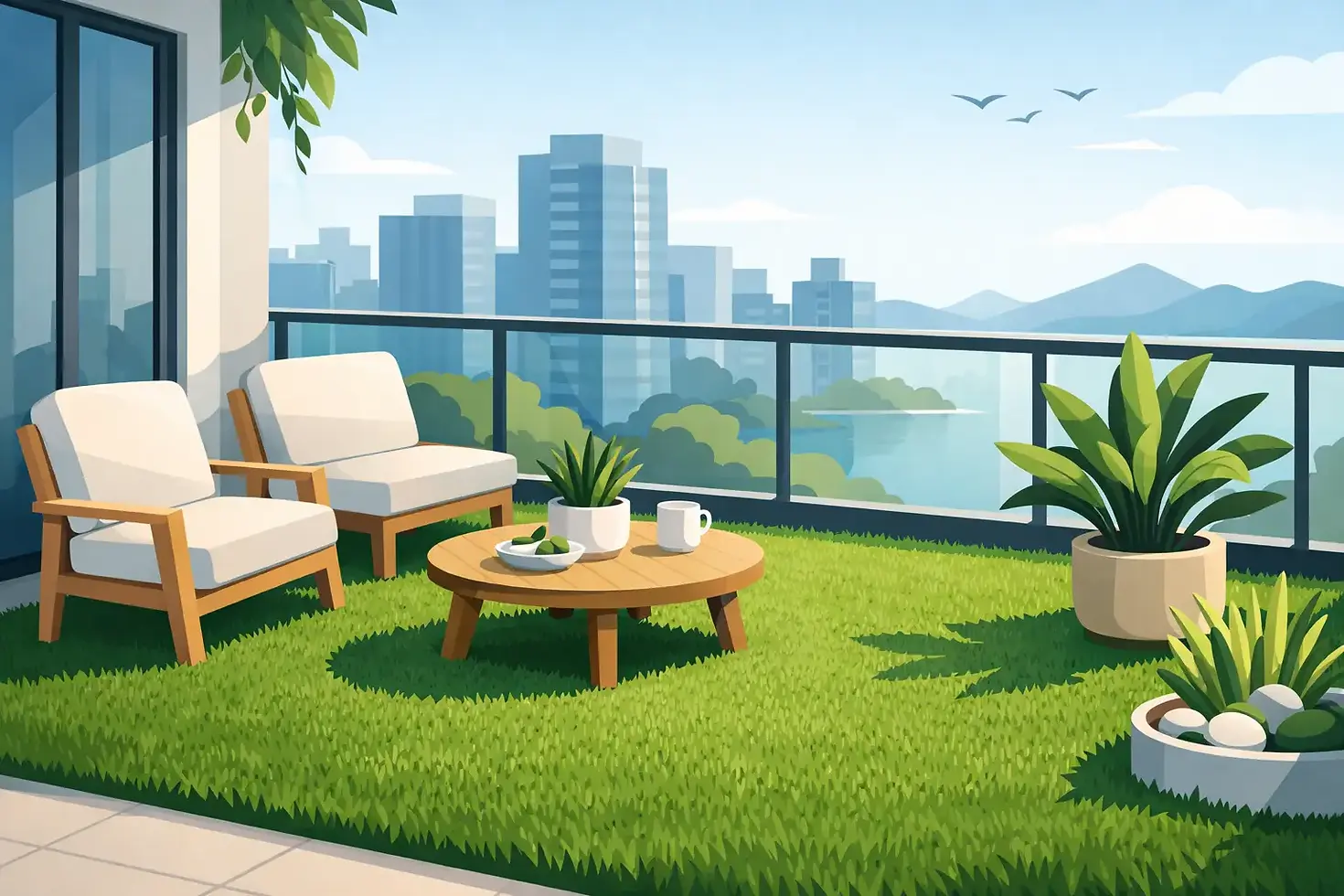
A bare balcony can feel hotter, harsher, and less useful than it should. Artificial grass for balcony spaces is a simple way to make that small area more comfortable underfoot, easier on the eyes, and more inviting for everyday use. For apartments, townhomes, and compact outdoor areas, it often solves a practical problem fast - without the watering, mowing, or patchy growth that comes with natural turf.
That said, not every product works the same way on every balcony. The right result depends on drainage, backing, pile height, exposure to sun, and how you actually use the space. A balcony used for morning coffee has different needs than one used for kids, pets, or light entertaining.
Why artificial grass for balcony areas works
Balconies are usually hard-surface spaces made from tile, concrete, or stone. These materials are durable, but they can feel unforgiving, especially in direct sun. Artificial grass softens the look and changes how the space functions. It adds a more finished appearance, reduces glare, and makes the floor more pleasant for walking barefoot.
For many buyers, the biggest advantage is convenience. You get a green surface without soil, irrigation, trimming, or ongoing landscape work. In a property setting, that matters. Homeowners want low maintenance. Property managers want a surface that looks consistent. Designers and fit-out teams want a material that installs cleanly and supports the overall look of the project.
There is also a cost argument. A balcony upgrade with artificial grass is usually more affordable and faster than a full decking build-up or a major tile replacement. If the existing substrate is in good condition, installation can be straightforward.
What to check before you buy
The best artificial grass for balcony projects starts with the base condition. If the balcony has poor drainage, cracked surfaces, or water pooling issues, those should be addressed first. Artificial grass is not a fix for structural or waterproofing problems. It sits on top of the surface, so the condition underneath still matters.
Drainage is the first checkpoint. A balcony must allow water to move toward the drain rather than trap it under the grass. Most artificial grass products include a perforated backing, but the speed and efficiency of drainage vary by product. On a small residential balcony, this may be enough. On larger terraces or commercial-use outdoor spaces, drainage performance deserves closer attention.
Sun exposure matters too. A shaded balcony can use a wider range of grass styles, including softer and taller piles. A balcony with strong afternoon sun may need a product built for better heat resistance and color stability. No artificial grass stays cool like natural turf in every condition, so it is worth being realistic. In very hot climates, the surface can still warm up significantly.
Choosing the right grass style
Not all artificial grass is designed for the same use. Some products are made to look lush and decorative. Others are made for foot traffic and easier cleaning. The right choice depends on whether appearance, durability, or budget is your main priority.
Pile height and feel
A medium pile height usually works best for balconies. Very short pile can look flat and more like an event carpet than grass. Very tall pile can feel softer, but it may flatten faster in furniture zones and can be harder to keep neat in compact spaces. A balanced option often gives the best mix of appearance and practicality.
Density is just as important as height. A dense product tends to look fuller and recover better after use. For a balcony with chairs, tables, or planters, that added resilience helps the surface hold its shape.
Backing and drainage
The backing affects both longevity and water flow. For balconies, look for a product with reliable perforation and a stable base. If the grass shifts easily or has weak backing, edges can curl and the finished look suffers.
On exposed balconies, this becomes more important because wind, cleaning, and repeated use put more stress on the material. A better backing usually means a cleaner installation and fewer issues over time.
Color and realism
Bright green can look artificial very quickly, especially in modern residential buildings. More natural shades with mixed yarn tones generally give a better result. If the balcony connects visually to indoor flooring, furniture, or a broader terrace design, color selection should support that setting rather than compete with it.
Installation decisions that affect performance
A small balcony might seem like a basic DIY job, but poor fitting is one of the main reasons artificial grass fails to look right. Uneven cuts, loose edges, and weak fixing make even a good product look cheap.
For loose-lay installations, the grass is cut to size and placed over the prepared surface. This can work well on smaller balconies where the area is enclosed and the product sits securely. In other cases, perimeter fixing or adhesive may be needed, especially around edges, corners, or higher-wind exposures.
Professional installation is often the better option when the balcony has awkward shapes, drain covers, steps, or multiple joins. It also helps when appearance matters, such as in hospitality, rental property upgrades, or staged residential projects. A clean finish around edges and drains makes a visible difference.
Common trade-offs to consider
Artificial grass is practical, but it is not a perfect fit for every balcony. If you want a very cool walking surface in direct summer sun, timber decking or shaded tile may still perform better. If your balcony is heavily exposed to dust, sand, or food traffic, the grass will need periodic cleaning to stay presentable.
Furniture can also affect the result. Lightweight café chairs are usually fine. Heavy planters and narrow furniture legs can compress fibers over time. That does not mean you should avoid them, but it does mean the grass should be chosen with expected use in mind.
Pets and kids are another factor. For light residential use, artificial grass can be a good surface because it is soft and easy to rinse. But if the balcony doubles as a pet relief area, cleaning requirements increase. In that case, drainage and washability should be treated as top priorities, not afterthoughts.
Maintenance is simple, not zero
One reason buyers choose artificial grass is to reduce upkeep, and that benefit is real. Still, low maintenance does not mean no maintenance. Dust, leaves, and everyday debris collect on balcony surfaces, especially in urban settings.
Routine care is usually straightforward. Brushing the fibers occasionally helps maintain appearance. A light rinse can remove dust buildup. Spot cleaning handles spills or pet-related mess. If furniture stays in one position for long periods, brushing around compressed areas can help the pile recover.
On apartment balconies, maintenance also depends on nearby conditions. If the space is close to roads, construction, or trees, cleaning will be more frequent. A realistic maintenance plan helps keep the grass looking fresh rather than worn down by neglect.
Who benefits most from artificial grass for balcony use
This product works well for homeowners who want a fast visual upgrade without taking on a major renovation. It also suits landlords preparing units for lease, developers finishing outdoor areas on a budget, and fit-out teams looking for an easy soft-surface option for terraces and compact outdoor zones.
In commercial settings, the use case depends on traffic. For decorative balcony areas in offices, cafés, serviced apartments, or hospitality projects, artificial grass can be a smart choice if the correct grade is specified. In heavier-use applications, product quality and installation standards matter more, because wear becomes obvious faster.
For buyers sourcing across multiple categories, working with a supplier that understands flooring performance is helpful. A company like Carpet Galleria can support not just product selection but also practical decisions around specification, finish, and installation suitability.
Making the right choice
The best buying decision starts with a few honest questions. How much sun does the balcony get? How often will the space be used? Is comfort the priority, or is the goal mainly visual improvement? Do you need a simple decorative finish, or something durable enough for daily use?
Once those answers are clear, the product choice becomes easier. Focus on a grass style that fits the actual use of the balcony, not just the showroom look. Good drainage, stable backing, and a realistic appearance usually matter more than chasing the softest or tallest pile.
A balcony does not need a large budget to feel finished. It needs the right surface, fitted properly, with performance that matches the space. When artificial grass is selected with those basics in mind, it can turn an overlooked outdoor corner into a part of the property you actually use.


Comments